
How to Build a Profitable Personal Brand While You Travel the World in 2026
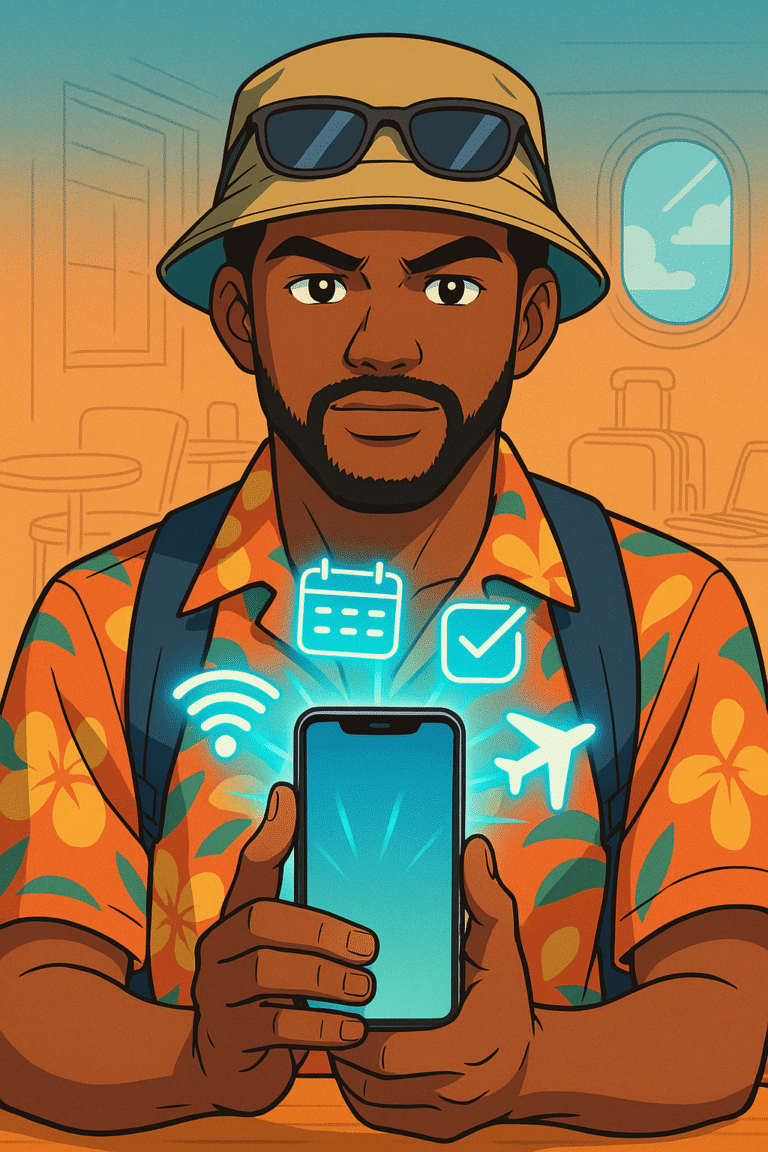
Your brand doesn’t live in an office anymore. It lives in timelines, inboxes, DMs, and WhatsApp chats across time zones. Here’s how digital nomads are turning content, funnels, and friendships into borderless brands that actually convert.
In this guide
Why building a borderless brand matters
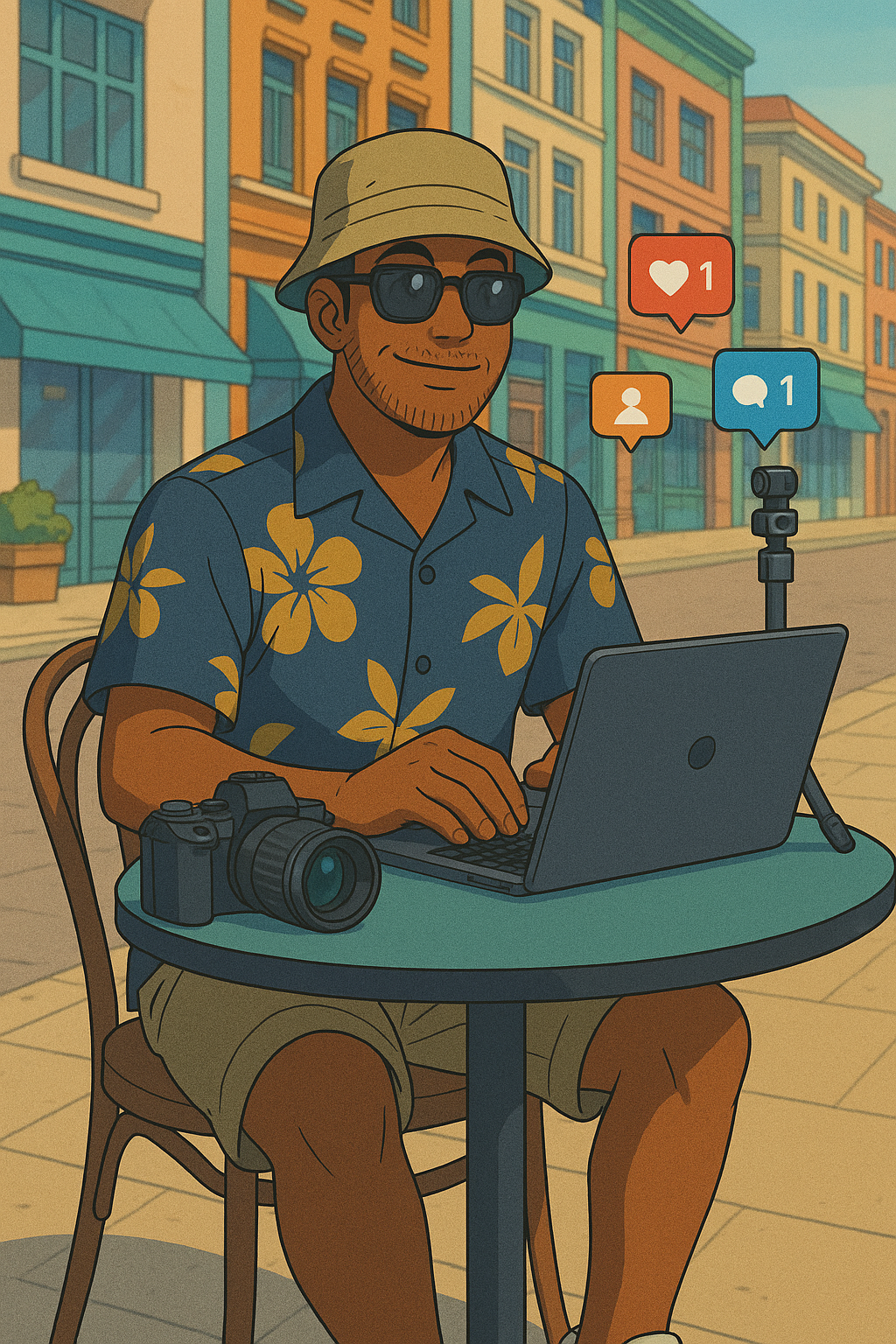
Digital nomadism has become its own micro-economy. Millions of people now work remotely from cities and surf towns around the world, building businesses from backpacks instead of boardrooms.:contentReference[oaicite:1]{index=1} Your customers don’t care where your “office” is located—they care about how your brand feels every time it shows up on their screen.
Modern brands are less about shop windows and more about emotional fingerprints: your tone, your point of view, your consistency. A strong voice can make a one-person studio feel like a full-blown company. A weak one makes a big team feel invisible.
When your audience is spread across continents, the “perfect posting time” matters less than asynchronous warmth:
- Newsletters that land when your readers are finally slowing down.
- DMs that feel personal even if you reply hours later.
- Content that carries the same vibe whether someone sees it at 6 a.m. in Lisbon or midnight in Bali.
The point isn’t to look flawless. It’s to be clear, trustworthy, and human: a brand that could disappear from Instagram for a week and still have people rooting for it.
Content
The engine that attracts people while you’re flying, packing, or building offline.
Funnels
The rails that move strangers into clients without you chasing DMs all day.
Friendships
The relationships that keep opportunities flowing long after the algorithm dips.
Create a content engine that travels with you
When you don’t have a physical storefront, your content becomes your storefront. It’s how people meet you, decide if they trust you, and choose whether to cross the digital street to say hi.
Lean on inbound, not endless chasing
Paid ads can work, but for many nomads, inbound content marketing is the saner long game. Helpful blog posts, YouTube videos, and email sequences keep working while you’re on a train with no signal. Great content lets clients come to you instead of you hunting them down one by one.
- Blog posts build authority and answer pre-sale questions.
- SEO keeps those posts discoverable months after you published them.
- Email newsletters nurture trust in between launches and life updates.
The compound effect is real: today’s article becomes tomorrow’s lead magnet, which then becomes next month’s client.
Build a content mix that fits your brain
You don’t have to be everywhere. You do need a mix that plays to your strengths and fits a nomadic life:
- Blogs: deep dives, SEO, and “Google can find me” energy.
- Vlogs or Reels: show the human behind the brand; travel visuals + quick tips.
- Podcasts: conversations, story, and voice-driven intimacy people can take on walks or flights.
Then pick a simple channel combo:
- One “emerging” or experimental platform.
- One short-form social platform.
- One long-form channel (YouTube, blog, or podcast) that acts as your home base.
Tell the real story, not the polished myth
People don’t follow nomad brands just for drone shots. They follow you to see how you think, decide, and handle challenges. Share:
- Behind-the-scenes of client projects and launches.
- Lessons from things that went sideways on the road.
- What you’re learning about money, energy, or creativity while traveling.
The more your story aligns with your mission and values, the easier it is for dream clients to recognize themselves in your content.
Repurpose and automate with funnels
A funnel is just a structured path that helps people move from “who are you?” to “how can I pay you?” without you having to manually push every step.
Understand the stages of your funnel
- Top of Funnel (TOFU): discovery and awareness — social posts, short videos, SEO content.
- Middle of Funnel (MOFU): education and trust — guides, webinars, email sequences, case studies.
- Bottom of Funnel (BOFU): decision — sales pages, detailed offers, testimonials, limited-time promotions.
Early-stage buyers often binge your content. By the time they’re ready to buy, they want clarity: what you offer, who it’s for, and what results to expect.
Automate like someone who has flights to catch
You didn’t become a nomad just to babysit your DMs. Let automation do the boring but necessary nurturing:
- Lead magnets that deliver instantly (checklists, mini-courses, templates).
- Email sequences that teach, tell stories, and share client wins.
- Trip-wire offers or low-ticket products that turn subscribers into customers.
While you’re in the air or off exploring, your funnel keeps warming people up and inviting them to the next step.
Align your funnel with your values
Funnels don’t have to be pushy to be profitable. When you’re clear on your purpose, it’s easier to design offers and content that feel honest and aligned:
- Write a one-sentence purpose statement: who you help, with what, and why it matters.
- Choose 3–5 content pillars that you’ll keep circling back to.
- Make sure every freebie and offer points back to those pillars.
That clarity gives your business a backbone even when your zip code keeps changing.
Build real relationships: community and networking
Fancy funnels are great. Friends send referrals. Community sends clients. The human layer is what keeps your brand from feeling like a vending machine.
Start with the network you already have
Before you “announce to the internet” that you’re open for business, talk to people who already know you:
- Past colleagues and classmates.
- Old clients or collaborators.
- Friends who understand what you’re good at.
Ask what they’re working on, where they’re stuck, and how you might help. A lot of nomads land their first clients quietly this way, before posting a single launch graphic.
Tap into nomad and local communities
There are now communities for almost every flavor of remote worker: nomad hubs, expat groups, co-living spaces, coworking passes, online communities, and curated workation programs.
- Join meetups, coworking days, and local events in the cities you visit.
- Look for digital nomad groups, founder circles, and interest-based communities online.
- Stay in places where people actually talk to each other (hostels, co-living, community-driven Airbnbs).
The combination of online and offline networking is powerful: one good conversation can do more for your brand than 50 cold emails.
Nurture client relationships like long-term friendships
Great client relationships are built on honest expectations and consistent communication:
- Be clear about your availability and time zone.
- Over-communicate during travel days or patchy Wi-Fi stretches.
- Share your process so clients understand how you work and when to expect updates.
Balancing work, travel, and relationships takes energy — which is why protecting your own wellbeing isn’t selfish; it’s part of keeping your brand and business sustainable.
8 practical steps to grow your brand on the road
Here’s the condensed, checklist-friendly version you can save for your next travel day:
- Clarify your purpose statement. Define who you serve, what you help them achieve, and why it matters. This becomes the filter for your offers, content, and collabs.
- Build a portable content engine. Choose a core long-form channel (blog, YouTube, or podcast), then support it with social snippets and email.
- Choose your platforms wisely. Don’t chase every new app. Commit to one experimental, one short-form, and one long-form home base.
- Design and automate your funnel. Map TOFU, MOFU, and BOFU, then plug in content, email sequences, and offers at each step.
- Turn followers into subscribers. Use lead magnets, waitlists, and simple opt-ins to move people from rented platforms to your email list.
- Network intentionally, online and offline. Say yes to strategic events, communities, and conversations instead of trying to “do it all.”
- Cultivate genuine relationships and balance. Listen, follow up, and protect your non-work identity so you don’t burn out on your own brand.
- Tell stories and stay authentic. Share the real journey — not just the highlight reel. Let your values show up in your content, offers, and client experience.
Freedom, funnels, and friendships
Building a brand on the road isn’t about hacking the algorithm or chasing a viral video. It’s about showing up with a clear voice, stacking helpful content, and backing it up with systems and relationships that keep working when you close the laptop.
When your content engine attracts the right people, your funnels show them a path, and your friendships and community keep trust flowing, your brand becomes bigger than any one location. You can change countries without starting from zero every time.
That’s the real win: a borderless brand that gives you the freedom to keep moving and the stability to keep growing.
Ready to build a borderless brand that travels with you?
You don’t need a giant audience to build a powerful brand. You need a clear message, a simple content engine, and a few systems that keep working while you explore new cities. Start small, stay consistent, and let your story compound over time.
The staff partially generated this text content with ChatGPT, OpenAI’s large-scale language-generation model. Upon generating draft language, the staff reviewed, researched, and revised the language to their own liking and takes ultimate responsibility for the content of this publication. Dryfter Bloom may receive free products from manufacturers for review purposes. We do not accept payment for positive coverage, and all opinions are our own. We may also earn a commission when you buy through a link on our site.